

-
Posted: June 12, 2025
 Read more »
Pictured above: Professor Neveen Hamza demonstrating the data loggers at a community engagement meeting.
Professor Neveen Hamza (School of Architecture, Planning and Landscape) has travelled to Northern Tanzania this month for a new pilot project in collaboration with Dr Stella-Maria Paddick (Faculty of Medical Science), Dr Charles Nye (University of Bristol) in partnership with Tanzanian academic and community organisations. The project, Feasibility of measuring and modelling modifiable environmental factors impacting cognition and distress in dementia in the context of climate change in Northern Tanzania is funded by a grant from Alzheimer’s Research UK (ARUK) Northeast Network.
The team will deploy indoor and outdoor environmental sensors in the Hai District in Northern Tanzania to assess the impact of the health and wellbeing of older adults, with a particular focus on sleep given its known bi-directional relationship with dementia and cognitive function.
The purpose of the project
-
Posted: December 05, 2023
 Read more »
The Challenge
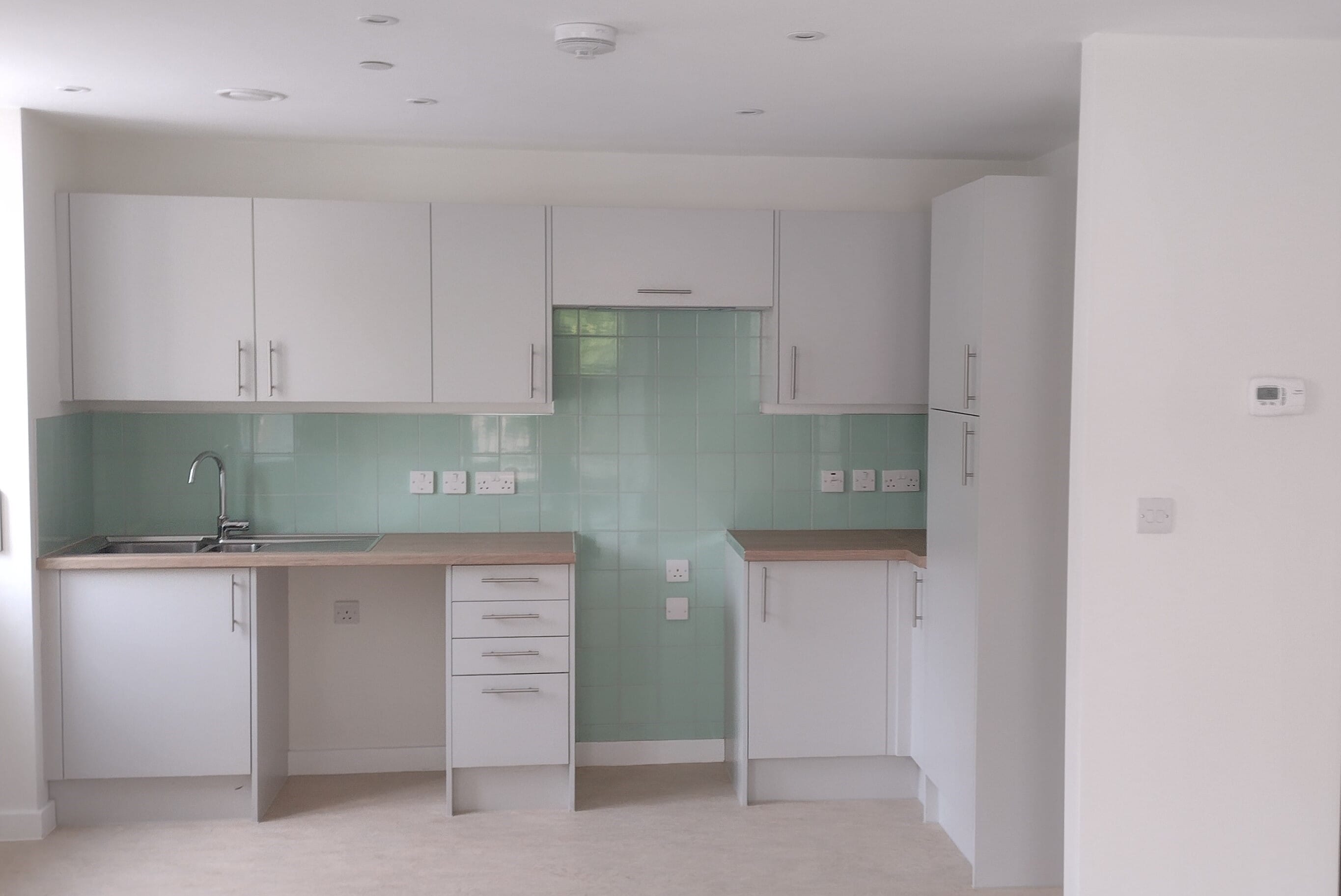
The City of London Corporation understand that regular monitoring of their social housing dwellings for conditions that could give rise to damp and mould is vital to help protect residents’ comfort and health, plus the dwellings themselves.
The Solution
A recent new development at their Isleden House Estate in North London uses the latest technology to ensure reliable temperature and humidity monitoring, combined with ease of data collection, analysis and alerts.
Each flat has two HOBO MX1101 temperature and humidity data loggers attached to walls. The loggers continuously take readings of the ambient air and store them on their internal memory.
Data collection is very simple and wireless (even through walls), so access to the flats is not required. All that is required is a bluetooth-enabled mobile device/laptop, with the HOBOconnect app installed.
From there, the data is uploaded to HOBOlink web-based data storage & analysis platform, as a central point for data from
-
Posted: March 06, 2023
 Read more »
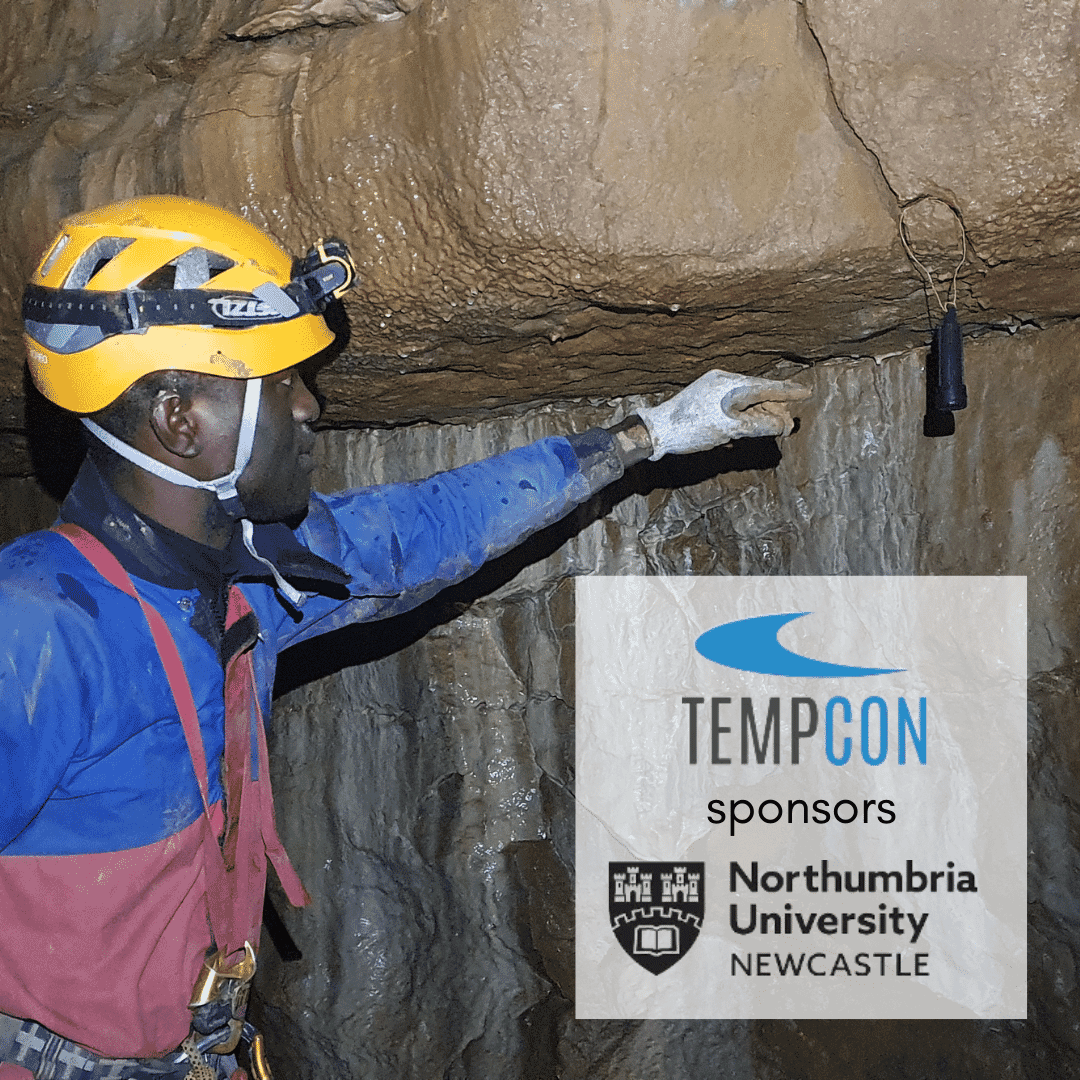
An interesting research project led by Northumbria University Researchers, determining whether planting trees on limestone will cause the release of geological carbon through accelerated weathering.
Professor Mike Rogerson explains more about the project: ‘’The impact of tree planting on release and storage of inorganic carbon in soil and within underlying bedrock has been mostly overlooked. Weathering of limestone bedrock may increase carbon sequestration ("Coupled Carbonate Weathering") or might release fossil carbon to the atmosphere. Unlike carbon sequestered by tree growth, this will not cease when the trees reach maturity but will continue indefinitely. So we don't really know if tree planting on limestone areas will sequester carbon really efficiently, or actually be a source of CO2. This knowledge gap means that the carbon sequestration achieved by tree-planting on bedrock with substantial carbonate content (about 1/4 of Great Britain) cannot be confidently predicted. We will
-
Posted: December 23, 2022
 Read more »
,
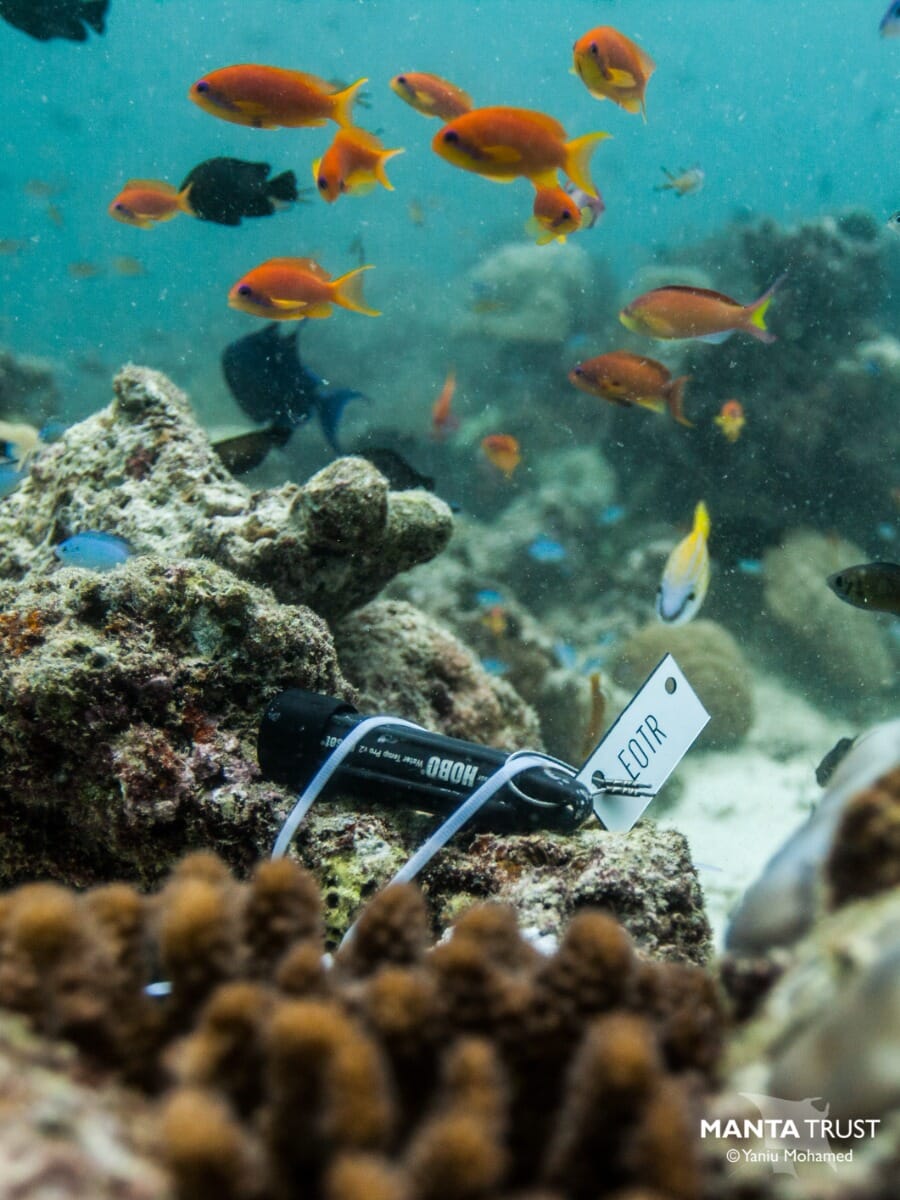
An exciting research project in the Maldives, led by the UK registered charity Manta Trust, exploring the undocumented Manta Rays in the Makunudhoos.
Formed in 2011, the Manta Trust is a UK registered charity that co-ordinates global mobulid research and conservation efforts. Their team is comprised of a diverse group of researchers, scientists, conservationists, educators and media experts; working together to share and promote knowledge and expertise. Their mission is to conserve mobulid rays, their relatives, and their habitats, through a combination of research, education and collaboration.
Currently, Manta Trust are using technology provided by Tempcon; the Onset HOBO Water Temperature Data Logger, to carry out their research.Jasmine Corbett, Manta Trust's Media and Communications manager explains how they use the loggers: ''The Tempcon loggers are extremely valuable tools for us in collecting accurate and consistent environmental data, that we use in correlation with our remote
-
Posted: July 19, 2022
 Read more »
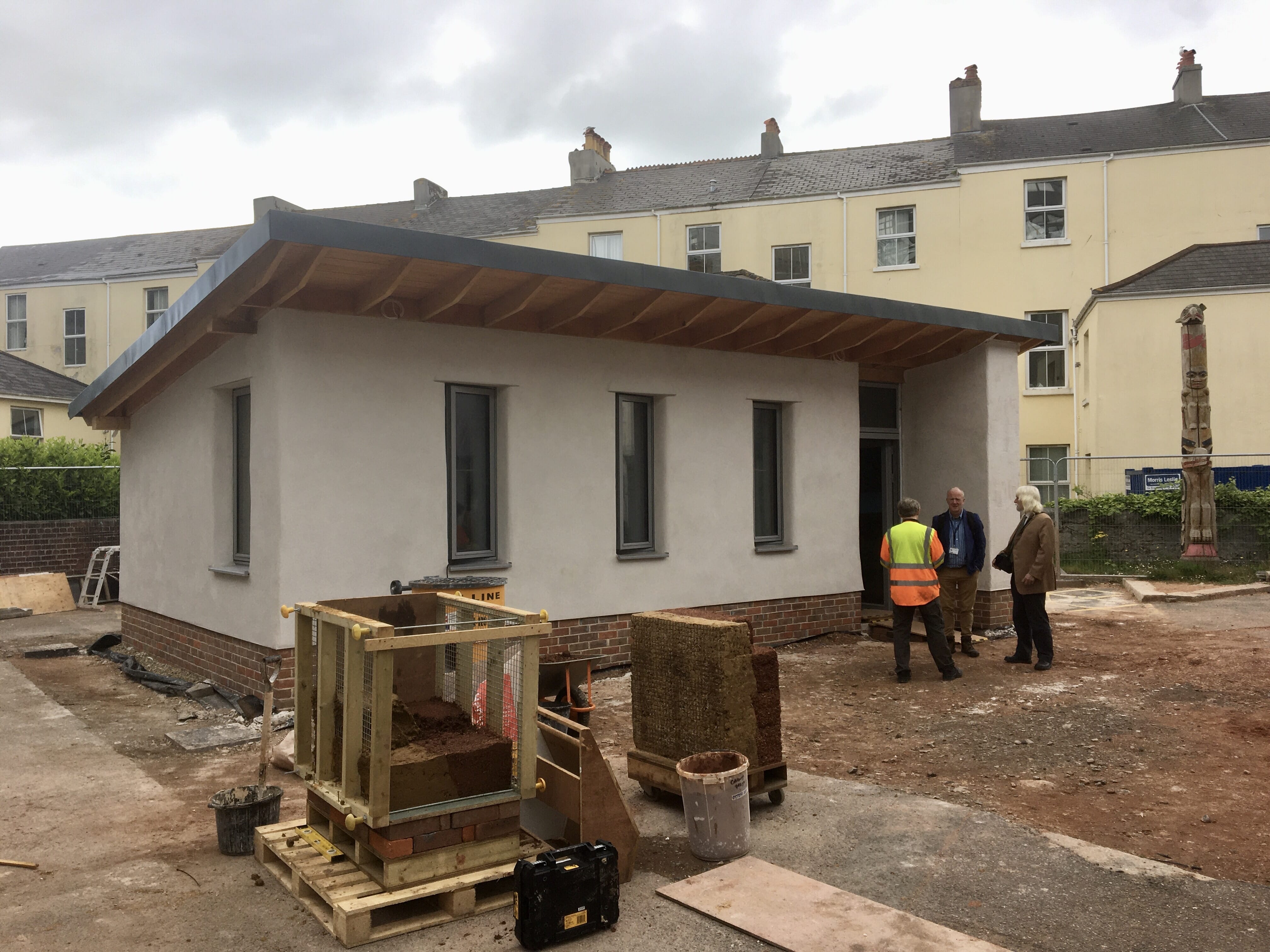
An exciting project involving British and French partners, led by the University of Plymouth is further developing a traditional building material to make low-energy, commercially viable house construction possible, using locally sourced materials.
The CobBauge team are working with Cob; a mixture of earth and fibre, such as straw, which is then mixed with water. Cob was commonly used for building construction in South-West England up until the Victorian era.
CobBauge is developing, an innovative cob using local soil and agricultural fibres / waste fibres from industry. This will contribute to the reduction of CO2 emissions, improved energy efficiency and cost savings:
· Creating an inexpensive, well-insulated material, using less than half the heating energy to a cob house compared to traditional building methods
· Reducing waste, thus saving in landfill costs
· Requiring minimal transport costs (using local suitable soil).
The team have built a prototype
-
Posted: October 02, 2020
 Read more »
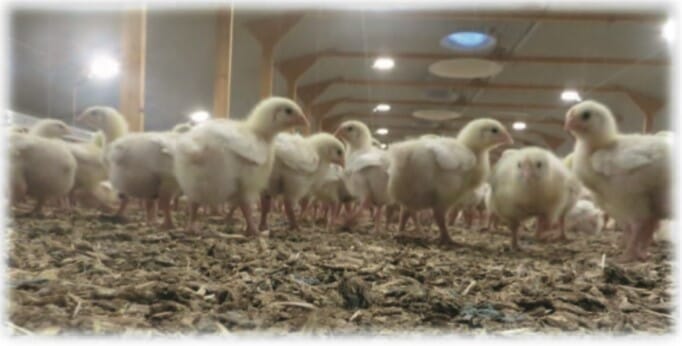
Tesco Future Farmer Foundation Scholarship Winner Christina Hutchings from West Henstill Farm in Devon has just released a new research report: 'Where does all the water go? How a better understanding of Ventilation can be used to improve litter conditions in Broiler Houses'
Christina’s extensive research for the report was conducted in England, Scotland, Denmark, Holland, and the USA.
We are very appreciative of the kind words Christina had to say within the report about Tempcon Sales Engineer, Marc Paterson: “Thank you to Marc Paterson at Tempcon who supplied most of my test equipment to me and helped me hugely throughout the process.”
“Thank you to Marc Paterson of Tempcon, for the endless phone calls over the years, the genuine interest in my project and assistance with the choosing and use of equipment, you have been brilliant.”The following is an excerpt from pages 45 to 48 of the report
Monitoring Air Quality
Air is a mix of water vapour, carbon dioxide, nitrogen and oxygen
-
Posted: July 06, 2020Read more »
A Clinical Trial Supply and Management Services Specialist came to us with the requirement to record readings of room storage temperature of Investigational Product being used in a clinical trial that will last 4-5 years.
An accuracy of ±0.5 degrees Celsius was required for the thermometer readings.
The HOBO MX2202 temperature & light data logger was selected due to its cost-effectiveness, accuracy and reliability. The loggers will be calibrated by Tempcon to certify their accuracy.
About the MX2202
The HOBO MX2202 waterproof temperature/light level logger leverages the power of Bluetooth Low Energy (BLE) to deliver accurate temperature and light-level measurements straight to your mobile device with the free app. The MX2202 can optionally be expanded with cloud-based remote monitoring. >>Read more
-
Posted: January 21, 2019Read more »
Researchers from Lancaster University are tackling one of the most pressing problems to face water science in a generation
After the devastation of the 2007 floods, the UK Government's "Pitt review" triggered initiatives designed to introduce “green”, or natural, flood mitigation (NFM) measures upstream of the affected communities, rather than relying solely on downstream engineering solutions.
A team of Lancaster University scientists led by Dr Nick Chappell of the Lancaster Environment Centre is leading one of three major NERC-funded projects to quantify the likely magnitude of nature-based flood mitigation effects across large catchments (Q-NFM), by undertaking large scale computer modelling, supported by fieldwork and stakeholder engagement.
The team are investigating natural flood mitigation measures across several thousands of square kilometres in Cumbria, much of which suffered devastating flooding during Storm Desmond in December 2015.
The equipment chosen for the project to measure,
-
Posted: July 03, 2018Read more »
Portsmouth Anglican Cathedral in Hampshire, UK is carrying out a series of projects to better understand heat distribution and losses in the cathedral’s building fabric, which dates as far back as the 12th Century and with most the recent addition in 1992.
Easy Monitoring and Logging of Cathedral Temperatures
Temperature data logger in the cathedral pew areaOnset HOBO MX100 Bluetooth temperature data loggers from Tempcon have been chosen to monitor air temperature 24/7 at key locations inside and outside the cathedral. With this data, the team can experiment with different heating regimes to find the most energy efficient.
Peter Sanders – Cathedral Administrator, Portsmouth Anglican Cathedral had this to say: “The advantages of the HOBO Bluetooth loggers for our application are:
- Bluetooth connectivity allows instant temperature checks/downloads of data
- The HOBO app function for emailing data within the project team
- The discrete nature of the loggers (very important in a listed building)
-
Posted: January 30, 2018Read more »
The Six Mile Water Trust promotes the environmental protection of the Six Mile Water Catchment in Co Antrim, Northern Ireland.
The Trust carry out regular water sampling and analysis along with invertebrate monitoring on various sites throughout the Six Mile catchment. This information is recorded to identify the water quality and possible background pollution, and where necessary passed to the Northern Ireland Environment Agency (NIEA) Water Management Team for formal investigation, providing valuable assistance to maintain and improve the water quality.
The monitoring has identified pollution hot spots and enable improvements to be made; improvements are clearly shown by the ongoing sampling results with an upward trend.
The Six Mile Water Trust choose Onset HOBO U24-001 Water Conductivity Loggers from Tempcon for their