
Temperature Data Loggers
We don't just stock a wide temperature data logger range; as product experts – we also support them. Tempcon are the exclusive HOBO temperature logger UK and Ireland distributor. These research-grade USB & wireless temperature loggers are made in the USA and are known for their accuracy and build quality.
Use the 'Data available by' filter to select USB / WiFi / GSM / Wireless temperature data logger etc.
Buying in Bulk or Just Want Some Advice on the Best Temperature Data Logger for Your Needs?
Our technical sales team will be happy to help you choose the most suitable data logger for temperature monitoring.
Call +44 (0)1243 558270, click on the webchat box below, or fill out our contact form.

-
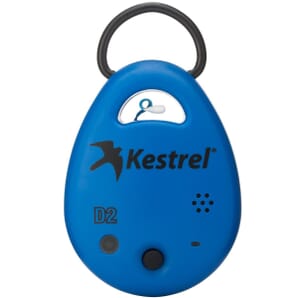 Kestrel DROP D2 Wireless Temperature & Humidity Data LoggerSpecial Price £112.96 £94.13 Regular Price £134.82
 -
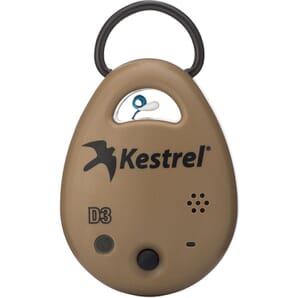 Kestrel DROP D3 Wireless Temperature, Humidity & Pressure Data LoggerSpecial Price £148.96 £124.13 Regular Price £176.71
 -
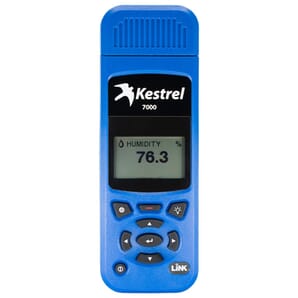 Kestrel 7000 Temperature & Humidity MeterSpecial Price £343.20 £286.00 Regular Price £394.00
 -
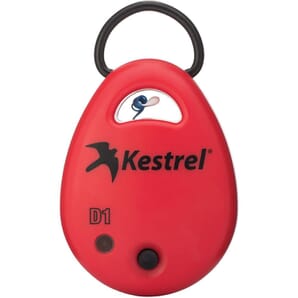 Kestrel DROP D1 Wireless Temperature Monitor and Data LoggerSpecial Price £79.96 £66.63 Regular Price £94.72


The Ultimate Guide to Temperature Data Loggers in the UK
What is a Temperature Data Logger?
A temperature data logger is an electronic device that automatically monitors and records temperature data over a set period of time. Its primary purpose is to measure, store, and provide access to accurate readings from a specific location or environment. Data loggers for temperature are widely used across many industries and applications where monitoring and maintaining temperature levels is crucial.
Temperature loggers are commonly employed in industries such as food and beverage, pharmaceuticals, building monitoring, healthcare, agriculture, manufacturing, cold chain logistics and environmental research. They play a vital role in ensuring product quality, safety, and regulatory compliance by continuously tracking conditions during storage, transportation, or production processes.
These devices are designed to capture temperature readings at pre-determined intervals, allowing for comprehensive data collection and analysis. The recorded data can be downloaded and analysed to identify temperature fluctuations, trends, or deviations from desired ranges, enabling timely corrective actions and process improvements.
This guide delves into the essentials of data loggers for temperature , focusing on their importance, types, and considerations for selection, particularly in the UK market.
Types of Temperature Loggers
Temperature loggers come in various types to suit different applications and environments. The main categories include:
USB Temperature Data Loggers: These compact and portable devices connect directly to a computer's USB port for easy data download and configuration. They are ideal for monitoring temperatures in small-scale applications.
Wireless Temperature Data Loggers: Utilising wireless technology such as Cellular RF, Bluetooth, or Wi-Fi; these loggers can transmit data and alerts remotely, eliminating the need for physical access. They are suitable for monitoring temperatures in large facilities, multiple locations, or hard-to-reach areas.
Single-Use Temperature Data Loggers: Also known as temperature indicators or temperature monitors, these disposable devices are designed for one-time use during shipping or transportation. They provide a cost-effective solution for monitoring temperature excursions during transit.
Multi-Use Temperature Data Loggers: These reusable loggers are designed for repeated use and can be reprogrammed for different monitoring applications. They are often more durable and offer advanced features like alarms and customisable logging intervals.
Industrial Temperature Data Loggers: Rugged and designed for harsh environments; industrial temperature data loggers can withstand extreme temperatures, vibrations, and other challenging conditions. They are commonly used in manufacturing, construction, and outdoor monitoring applications.
Pharmaceutical/Medical Temperature Loggers: Compliant with regulatory standards for healthcare and pharmaceutical industries, these loggers ensure accurate temperature monitoring for sensitive materials, such as vaccines, blood products, and medications.
High-Precision Temperature Data Loggers: These loggers offer exceptional accuracy and resolution, often down to 0.01°C or better. They are suitable for applications requiring precise temperature measurements, such as scientific research, calibration, or quality control.
Within each category, temperature loggers can further vary in terms of temperature range, memory capacity, battery life, and additional features like external probes, water resistance, LCD displays, alarms, and software compatibility.
How Temperature Data Loggers Work
Temperature data loggers are compact electronic devices designed to monitor and record temperature data over time. They typically consist of several key components that work together to provide accurate and reliable temperature measurements.
Sensor Technology
At the heart of a temperature logger is a temperature sensor. The most commonly used sensors are thermistors, thermocouples, and resistance temperature detectors (RTDs). These sensors convert temperature changes into electrical signals that can be measured and recorded by the data logger.
Thermistors are semiconductor devices that exhibit a change in electrical resistance with temperature. They are inexpensive, highly sensitive, and suitable for a wide range of temperature measurements. Thermocouples consist of two dissimilar metal wires joined at one end, generating a voltage proportional to the temperature difference between the junction and the free ends. RTDs are precise temperature sensors that work on the principle of resistance change in pure metals with temperature variations.
For environments where the temperature is too extreme for thermocouple-based devices, a temperature probe can be attached to the device. This allows the recorder part of the device to remain safely in a moderate temperature area while the probe remains in high or low-temperature environments. Monitoring the inside temperature of ovens or supercooled fluids benefit from this arrangement.
Data Storage
Temperature data loggers are equipped with internal memory to store the recorded temperature data. The storage capacity varies depending on the model and intended application, with some data loggers capable of storing millions of temperature readings. This data can be retrieved later for analysis, reporting, or archiving purposes.
Battery Life
Most temperature data loggers are battery-powered, ensuring portability and ease of use in various environments. The battery life can range from several months to several years, depending on factors such as sampling rate, sensor type, and ambient conditions. Some data loggers feature replaceable batteries, while others have rechargeable batteries or external power options.
Software
Temperature data loggers often come with accompanying software that allows users to configure settings, download data, and analyse temperature readings. The software may offer features such as graphing, data export, alarm notifications, and report generation. Some data loggers can be connected to a computer or mobile device via USB, Bluetooth, or other wireless communication protocols for data transfer and configuration.
Temperature data loggers are designed to operate autonomously, continuously monitoring and recording temperature data at predetermined intervals or based on user-defined settings. The recorded data can be analysed to identify trends, deviations from acceptable ranges, or compliance with regulatory requirements, making temperature data loggers invaluable tools in various industries and applications.
Benefits of Using Temperature Loggers
Temperature data loggers offer several key benefits for businesses and organisations that need to monitor and record temperature data accurately:
Monitoring and Alerting: Data loggers provide continuous temperature monitoring, allowing you to track conditions in real-time. Many devices can be configured to send alerts when temperatures go outside preset limits, enabling quick response to potential issues.
Compliance and Auditing: Various industries like food, pharmaceuticals, and healthcare have strict regulations around temperature monitoring and record-keeping. Temperature data loggers create an auditable data trail to demonstrate compliance with temperature requirements set by regulatory bodies.
Data Analysis and Optimisation: The temperature data collected by loggers can be analysed to identify patterns, trends, and areas for process improvement. This data-driven approach allows you to optimise temperature-controlled environments, improve energy efficiency, and reduce operational costs.
Cost Savings: Proper temperature monitoring helps prevent product spoilage, equipment damage, and other temperature-related issues that can result in significant financial losses. Data loggers enable early detection and mitigation of temperature excursions, minimising costly incidents.
Temperature data loggers provide a reliable, accurate, and cost-effective solution for monitoring temperature-sensitive products, processes, and environments. With their ability to generate comprehensive data records, they support regulatory compliance, enable data-driven decision-making, and ultimately contribute to operational efficiency and cost savings.
Temperature Data Logger Applications
Temperature loggers are widely used across various industries to monitor and record temperature data, ensuring product quality, safety, and compliance with regulations. Some of the key applications of temperature data loggers include:
Food and Beverage Industry: Temperature monitoring is crucial in the food and beverage industry to maintain the safety and quality of perishable products during storage, transportation, and distribution. Temperature data loggers help ensure that food items are kept within the required temperature ranges, preventing spoilage and foodborne illnesses.
Pharmaceuticals and Healthcare: Strict temperature control is essential for the storage and transportation of pharmaceuticals, vaccines, and other temperature-sensitive medical products. Temperature data loggers are used to monitor and record temperature conditions, ensuring that these products remain within specified temperature ranges throughout the supply chain.
Logistics and Cold Chain Monitoring: Temperature data loggers play a vital role in the logistics industry, particularly in cold chain monitoring. They are used to track and record temperature conditions during the transportation of temperature-sensitive goods, such as fresh produce, frozen foods, and medical supplies.
Research and Scientific Studies: Temperature loggers are invaluable tools in research and scientific studies that require precise temperature monitoring and data collection. They are used in various fields, including environmental studies, biological research, and material testing, to gather accurate temperature data for analysis and documentation.
Industrial and Manufacturing Processes: Many industrial and manufacturing processes require precise temperature control to ensure product quality and consistency. Temperature data loggers are employed to monitor and record temperature conditions in various stages of production, from raw material storage to final product packaging.
Building and Facility Management: Temperature data loggers are used in building and facility management to monitor and maintain appropriate temperature levels in various environments, such as server rooms, data centres, museums, and art galleries, where temperature control is critical for the preservation of sensitive equipment or artifacts.
By leveraging temperature data loggers, businesses and organisations can ensure compliance with regulatory requirements, maintain product quality, optimise processes, and minimise the risk of temperature-related issues, ultimately contributing to increased efficiency, customer satisfaction, and operational success.
Choosing the Right Temperature Logger
Selecting the appropriate temperature data logger for your application is crucial to ensure accurate and reliable data collection. Several factors should be considered when choosing a logger, to benefit you and make field deployment reliable and straightforward:
Range: Determine the minimum and maximum temperatures you need to monitor. Different data loggers are designed for specific temperature ranges, such as freezer temperatures, ambient temperatures, or high-temperature environments. Ensure the data logger's temperature range matches your application's requirements.
Accuracy: Temperature data loggers vary in their accuracy levels, which can be expressed as a percentage of the reading or a specific temperature value. Higher accuracy is typically required for critical applications, such as pharmaceutical or medical environments, while lower accuracy may be acceptable for less stringent applications.
Resolution: Resolution refers to the smallest temperature increment that the data logger can detect and record. Higher resolution allows for more precise temperature measurements, which may be necessary for specific applications or research purposes.
Memory: Consider the duration of your monitoring period and the desired sampling rate (how often the temperature is recorded). Data loggers with larger memory capacities can store more data points, allowing for longer monitoring periods or higher sampling rates.
Software Compatibility: Temperature data loggers often come with companion software for configuring the device, downloading data, and analysing the collected data. Ensure that the data logger's software is compatible with your operating system and meets your data analysis requirements.
Sensor Type: Temperature data loggers can use various sensor types, such as thermocouples, thermistors, or resistance temperature detectors (RTDs). Each sensor type has its advantages and limitations in terms of range, accuracy, and response time. Choose the sensor type that best suits your application's needs.
Connectivity: Decide whether you need a USB temperature data logger for direct connection to a computer, a wireless termperature data logger for remote monitoring, or a data logger with multiple connectivity options. Wireless temperature loggers can be particularly useful for monitoring temperatures in hard-to-reach or hazardous areas. Using Bluetooth to offload data to your field device is easier than USB and prevents damage to wires or ports.
Visual Display: Is there an LCD to allow easy viewing of current data?
Battery Life: If you plan to use the data logger for extended periods without access to power, consider the battery life and whether the data logger supports replaceable or rechargeable batteries.
Environmental Conditions: Evaluate the environmental conditions where the data logger will be used, such as water, humidity, pressure, or exposure to chemicals or contaminants. Some data loggers are designed for harsh environments or have additional protection against environmental factors.
By considering these factors, you can select a temperature data logger that meets your specific requirements.
Temperature Data Logger Regulations and Compliance
Temperature data loggers are critical instruments in many industries where temperature monitoring and recording is essential for regulatory compliance. Various regulatory bodies have established guidelines and standards to ensure the accuracy, reliability, and proper use of temperature data loggers.
HACCP Compliance: The Hazard Analysis and Critical Control Points (HACCP) system is a systematic approach to food safety, which includes temperature monitoring as a critical control point. Temperature data loggers used in the food industry must comply with HACCP guidelines to ensure proper temperature control during food production, storage, and transportation.
ISO Standards: The International Organisation for Standardisation (ISO) has developed standards for temperature data loggers, such as ISO 9001 (Quality Management Systems) and ISO/IEC 17025 (General Requirements for the Competence of Testing and Calibration Laboratories). Temperature data loggers used in industries that require ISO certification must comply with these standards.
It is crucial for organisations to understand and comply with the relevant regulations and standards when using temperature data loggers. Failure to comply can result in legal consequences, product recalls, or other penalties. Manufacturers and suppliers of temperature data loggers should provide detailed information and support to ensure their products meet the necessary regulatory requirements.
Setting Up and Using Temperature Data Loggers
Setting up and using temperature data loggers involves several key steps to ensure accurate and reliable data collection. Proper setup is crucial for capturing precise temperature readings and maintaining the integrity of the recorded data.
Programming the Data Logger
Before deployment, the temperature data logger needs to be programmed with the desired settings. This typically involves using specialised software provided by the manufacturer. The programming process allows you to configure parameters such as:
- Measurement intervals (how frequently the logger records temperatures)
- Start and stop times (to schedule the logging period)
- Alarm thresholds (to set high and low temperature limits)
- Alerts if temperature exceeds certain thresholds set by the user.
Deployment and Placement
Once programmed, the temperature data logger is ready for deployment. Proper placement is essential to capture accurate readings in the desired environment or location. Consider factors such as:
- Proximity to the target area or product being monitored
- Avoiding direct sunlight, drafts, or heat sources that could skew readings
- Ensuring adequate airflow around the logger for accurate ambient temperature measurement
- Securing the logger in a stable position to prevent movement or interference.
Data Retrieval and Analysis
USB temperature data loggers that do not have wireless communication capabilities, after the logging period, the temperature data logger needs to be retrieved, and the recorded data must be downloaded and analysed. This typically involves connecting the logger to a computer or using a dedicated data shuttle or reader.
Wireless temperature data loggers make the data offload process much easier: Bluetooth loggers will transfer data to a mobile phone with the manufacturer's app installed, or automatically to a central hub. Cellular and WiFi temperature data loggers will automatically transmit data atregualr intervals to a web portal and/or mobile app.
The software provided by the manufacturer allows you to extract the temperature data from the logger and view it in various formats, such as graphs, tables, or reports. This data can then be analysed to identify trends, fluctuations, or excursions outside the acceptable range.
Data analysis is crucial for monitoring temperature-sensitive products, processes, or environments. It helps identify potential issues, optimise temperature control systems, and ensure compliance with regulatory requirements or quality standards.
Reporting and Documentation
Many applications require detailed documentation and reporting of temperature data. The software provided with temperature data loggers often includes reporting features that allow you to generate comprehensive reports. These reports can include:
- Graphs and charts
- Statistical summaries (e.g., averages, minimums, maximums)
- Alarm logs (if temperature excursions occurred)
- Audit trails (for regulatory compliance).
Proper reporting and documentation are essential for maintaining records, demonstrating compliance, and supporting decision-making processes based on the temperature data collected.
Temperature Logger Maintenance and Calibration
Proper maintenance and regular calibration are crucial for ensuring the accuracy and reliability of temperature data loggers. These devices are precision instruments, and their performance can degrade over time due to various factors, such as exposure to extreme temperatures, physical shocks, or battery depletion.
Routine Maintenance
To keep your temperature data logger in optimal condition, it's essential to follow these routine maintenance practices:
- Battery Replacement: Most data loggers are powered by batteries, and it's important to replace them as recommended by the manufacturer. Depleted batteries can lead to data loss and inaccurate readings.
- Cleaning: Regularly clean the data logger's exterior with a soft, damp cloth to remove any dirt, dust, or debris that may accumulate over time. Avoid using harsh chemicals or solvents, as they can damage the device's casing or internal components.
- Storage: When not in use, store the data logger in a cool, dry place, away from direct sunlight or extreme temperatures. Proper storage can prolong the device's lifespan and prevent premature degradation.
- Handling: Handle the logger with care to avoid physical shocks or drops, which can affect its accuracy and potentially damage internal components.
Calibration
Temperature data loggers are calibrated during manufacturing to ensure accurate readings. However, over time, the calibration can drift due to various factors, such as aging components or exposure to extreme conditions. Regular calibration is essential to maintain the device's accuracy and ensure reliable temperature monitoring.
The frequency of calibration depends on several factors, including the data logger's usage, the environment in which it operates, and the manufacturer's recommendations. Generally, it's recommended to calibrate temperature data loggers annually or as specified by the manufacturer or regulatory requirements.
Calibration can be performed in-house if you have access to a certified temperature calibration chamber or by sending the device to the manufacturer or a third-party calibration service provider. During the calibration process, the data logger's temperature readings are compared to a traceable reference standard, and any necessary adjustments are made to ensure accurate measurements.
Troubleshooting
If you encounter issues with your temperature data logger, such as erratic readings, data loss, or battery problems, follow these troubleshooting steps:
- Check the battery: Replace the battery if it's depleted or nearing the end of its life.
- Inspect for physical damage: Examine the data logger for any signs of physical damage, such as cracks, dents, or loose components.
- Review the operating environment: Ensure that the data logger is being used within its specified temp range and is not exposed to extreme conditions or interference.
- Consult the user manual: Refer to the manufacturer's user manual for troubleshooting tips and guidance specific to your data logger model.
- Contact technical support: If the issue persists, reach out to the manufacturer's technical support team for further assistance or consider sending the device for repair or calibration.
Regular maintenance, calibration, and proper troubleshooting can help ensure the accuracy and longevity of your temperature data logger, providing reliable temperature monitoring for your applications.
Temperature Data Logger Manufacturers and Suppliers
When it comes to purchasing a data logger for temperature, it's essential to choose a reputable manufacturer or supplier that offers high-quality products and reliable services. In the UK, there are several well-known brands and suppliers to consider.
Onset Computer Corporation (Onset)
Onset is a global leader in data logging solutions, offering a wide range of temperature data loggers designed for various applications, from cold chain monitoring to building performance analysis. Their products are renowned for their accuracy, durability, and advanced features. Tempcon are the exclusive UK and Ireland distributor for Onset.
Comparison of Products and Services
When choosing a temperature logger manufacturer or supplier, it's essential to consider factors such as product range, accuracy, battery life, software compatibility, and customer support.
Additionally, some suppliers offer additional services such as calibration, and repair.
By carefully evaluating the available options and considering factors such as product quality, customer support, and overall value, businesses can make an informed decision when selecting a temperature data logger manufacturer or supplier in the UK.
Conclusion
With such a wide range of temperature recorder products available, it can be initially overwhelming to know which one is right for your needs. With the help of this guide, hopefully, you have begun to identify the right product for you. The team at Tempcon are the expert temperature data logger consultants. Call us on +44 (0)1243 558270, or alternatively fill out our contact form and one of our friendly team will be in touch soon.
Resources and Further Reading
Temperature Data Logger Selection Guide - A comprehensive guide from a leading manufacturer on how to select the right temperature data logger for your needs.
Onset HOBO Water Temperature Data Loggers - video providing a quick overview of the Onset family of HOBO water temperature loggers.
An Introduction to Temperature Data Loggers

What is temperature data logging? Temperature logging is used in many industries where it is vital to know and keep a record of the temperatures that a product has been exposed to. Prominent examples of this are food transportation, where a cold chain may need to be maintained at a steady temperature, or the storage of medicines, where temperature variations can be detrimental to the product.
There are many situations where temperature loggers can be beneficial, such as in commercial settings as well as other settings, including monitoring river and ocean temperatures over the long term, to help monitor environmental health and climate change.
The food industry uses temperature loggers to check food has been sufficiently heated before canning. Hospital settings use loggers to ensure that autoclaves reach the appropriate temperatures to destroy viruses and bacteria.
These are just a few examples of when temperature data needs to be monitored and logged. These records can provide evidence that proper procedure has been followed in the event of a challenge. To achieve this record, temperature data loggers are used.
What is a Temperature Data Logger?
A temperature data logger is an electronic device that has been optimised for monitoring temperature, often with external probes or sensors. Often these devices also have additional abilities, such as humidity data logging, which may require additional probes.
These temperature recorders are most commonly battery-operated. There are many flavours of devices, but one of the most popular types is the wireless temperature data logger. The term ‘wireless temperature logger’ refers to the device’s bluetooth/radio signal/WiFi internet connection.
For the non-wireless temperature loggers, data is collected manually from the logger after a chosen period of time has elapsed. The data will be downloaded ito a PC via USB cable for analysis, while the wireless temperature logger allows remote temperature monitoring & uploading of data for analysis; saving the need for field visits.
Temperature Logger Types
All data loggers, whether they are USB temperature data loggers or wireless, are essentially the same, comprising a temperature sensor attached to a recording system. The recording system samples the sensor at intervals and stores the resulting data.
For air temperature recordings, digital temperature loggers can have built-in sensors or use a number of wired probes. There are specialist sensors needed to record temperatures within fridges, using Glycol bottles mimick how a fluid such as a vaccine would react to changes in air temperature.
There are even single-use devices that can run for 90 days that are designed to be perfect when manufacturers need to send products overseas and are unlikely to get the device back. These are ideal for sea container shipping, long haul routes and other Cold Chain and Frozen shipments.
How do Temperature Loggers Work?
Temperature data loggers are generally lightweight devices, thanks to the integration of thermistors or thermocouples directly to a logging device. This small package makes it ideal for shipments where logging the temperature is a requirement in order to guarantee that your shipment has been correctly transported and that your product is appropriately fresh upon receipt.
With Thermocouple Input
Some temperature loggers accept multiple inputs from probes and also have a built-in thermocouple. A thermocouple is a sensor with two dissimilar metal wires, joined at one end to form a junction, and connected to a thermometer. When the junction is heated or cooled, a small and measurable voltage is generated. The voltage corresponds to a temperature, which is recorded by the data logger.
Thermocouples are commonly used for extreme heat and cold and are usually chosen with long cable lengths so the logger is outside of the process and not exposed to temperatures which could damage it. If short thermocouples are used, the logger is normally enclosed within a protective barrier.
The Benefits of an External Probe
For environments where the temperature is too extreme for thermocouple-based devices, a temperature probe can be attached to the device. This allows the recorder part of the device to remain safely in a moderate temperature area while the probe remains in high or low-temperature environments. Monitoring the inside temperature of ovens or supercooled fluids benefit from this arrangement.
Multi-channel Temperature Loggers
Some universal data loggers can have up to 48 single-ended inputs. They will accept input from thermistors and thermocouples, as well as a range of other types of temperature sensors.
Data Retrieval
There are three primary ways that temperature data loggers communicate their results:
- Wireless temperature data loggers – Bluetooth enabled data loggers use Bluetooth Low Energy technology to transmit data over a 100-foot range wirelessly. These are particularly useful in areas with limited access.
- USB temperature data loggers – These devices store data on an internal drive and then act as an external hard drive. Plug them into a PC, and it is possible to simply copy the data to your device.
- Wi-Fi temperature data loggers – Some loggers use Wi-Fi. This results in a shorter range, higher energy consumption device, which will usually only be found on devices that are plugged into mains power.
Applications
Air temperature measurement is important in a wide range of applications, ranging from monitoring changing weather and climate conditions to verifying that hygienic sterilisation procedures have been maintained. Sometimes monitoring occurs long-term in order to access trends. Other times, the primary concern is to know the minimum or maximum temperatures attained during a short period.
Humidity and Temperature logging
Humidity and Temperature data logging tend to go hand in hand, as the effects of humidity can change the way things act at different temperatures. Think about all the products that have instructions to store them in a cool, dry place. The two go hand in hand, as heat or moisture can both cause problems individually and in concert.
In facilities management, a record of temperature and humidity variation is essential in preventing inefficiencies from creeping in. The record of temperature and humidity data loggers provides a history of the experienced conditions at the site over an extended period.
High-Temperature Logging
A recording device intended to work in temperatures in excess of 80°C (176°F) is generally considered a high-temperature data logger. These are common in the food and health sectors. High-temperature environments include autoclaves, pasteurisation, and food and material processing. As discussed above, loggers for such environments often use a probe to allow the sensitive electronics of the logger itself to be kept out of hot conditions.
Cold Chain Logging
Many foods and pharmaceuticals must remain under carefully controlled, chilled conditions throughout their transport and their end-point storage. This is referred to as Cold Chain. Including a temperature data logger with the transported materials creates a record of the conditions experienced by the shipment.
Look for Time-saving Features
You’ll want to make sure that the temperature data logger you select has a set of features that will benefit you and make field deployment reliable and straightforward. Look for some key features:
- Memory Capacity – If you are leaving the devices for extended times, do they have the capacity to store enough data for your requirements?
- Durability – If you plan to put your data loggers into rough situations, be sure to look for rugged designs that will last.
- Bluetooth Capability – Using Bluetooth to offload data to your field device is easier than USB and prevents damage to wires or ports.
- Visual Display – Is there an LCD to allow easy viewing of current data?
- Start/Stop buttons – Being able to Start/Stop/resume on the fly is a great help out in the field.
- Deployment flexibility – Do they have a range of mounting options, such as adhesives, Velcro straps or mounting systems?
- Bundled Software – Look for software that provides useful, meaningful results.
Conclusion
With such a wide range of products available, it can be initially overwhelming to know which one is right for your industry. With the help of this guide, hopefully, you have begun to identify the right product for you, but if you require additional support, or are thinking about a bulk order, simply reach out to our friendly team for assistance.